
Alabama Public Records
Alabama public records are kept by 67 county probate courts and several state agencies. Under Code of Alabama § 41-13-1, public records include all written materials made by public officers in the course of their work. County probate judges serve as the main custodians of property records, while circuit clerks maintain court files. The state handles vital records, criminal history, and business filings through separate agencies.
Alabama Public Records Quick Facts
How Alabama's Public Records System Works
Alabama uses a decentralized system for public records. Each of the 67 counties has a probate court that serves as the primary records office. The probate judge wears many hats in Alabama. This official acts as a judicial officer, chief election official, and recording official all at once. This setup is unusual compared to other states.
County probate courts keep property records. These include deeds, mortgages, liens, and plats. Some counties have records dating back to the early 1800s. Mobile County holds records from 1812. Jefferson County has land records from 1813. These old documents help trace property ownership and family history in Alabama.
Circuit clerks are separate from probate judges. They handle court records. Every trial court file passes through the circuit clerk. This includes civil cases, criminal cases, and family matters like divorce and custody. Circuit clerks are elected to six-year terms. They also serve as magistrates in Alabama.

The Alabama Department of Archives and History preserves older records. Many county records have been microfilmed and are held at the archives in Montgomery. This helps when local courthouses have lost records to fire or flood. The archives also has a digital collection you can search online.
What Public Records Are Available?
Alabama public records fall into several categories. Each type is kept by a different office. Knowing where to look saves time. Here is what you can find in Alabama.
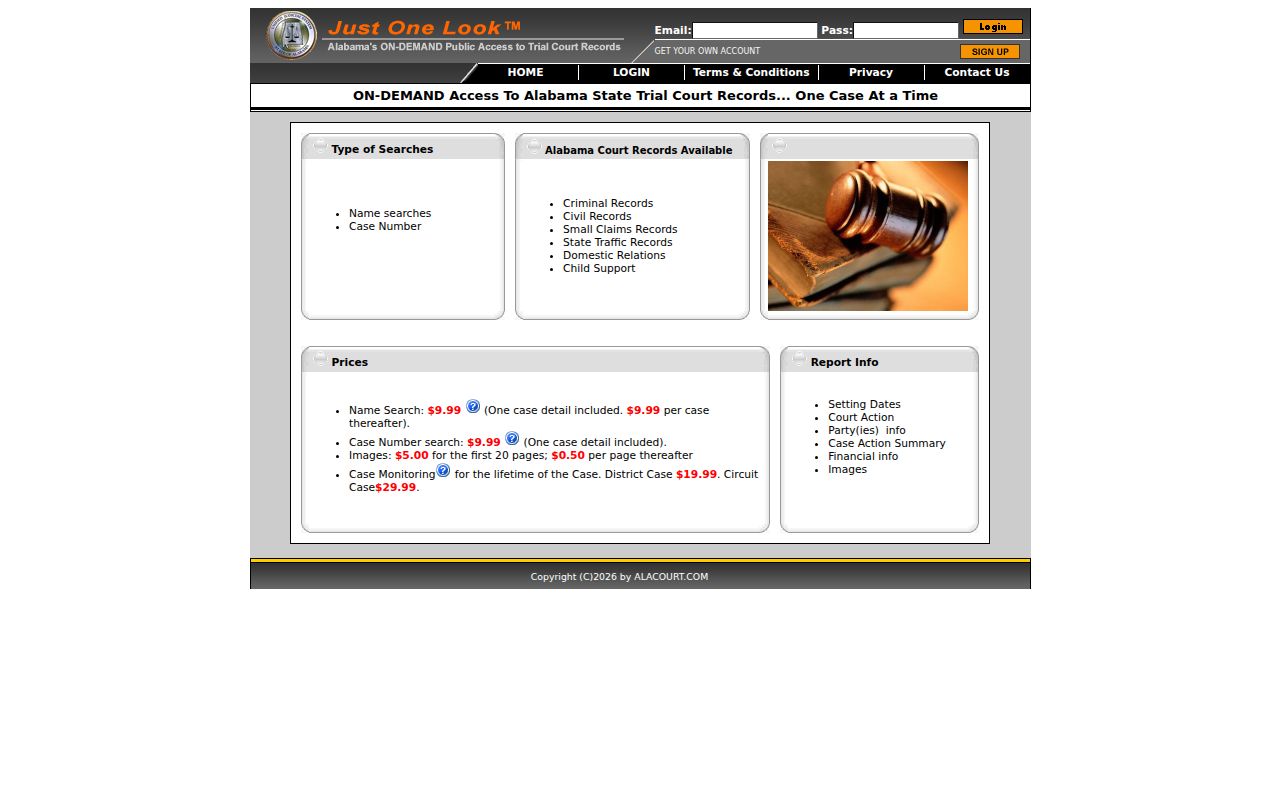
Court Records: The Alacourt ACCESS system covers all 67 circuit courts. You can search by name or case number. Criminal, civil, traffic, and domestic cases are all here. Fees range from $9.99 to $29.99 per search. Document images cost extra.
Property Records: County probate courts keep deeds, mortgages, and liens. Many counties offer free online searches. Jefferson and Mobile counties use the Landmark Web system. Tuscaloosa and Madison counties have free search portals. Smaller counties may require in-person visits.
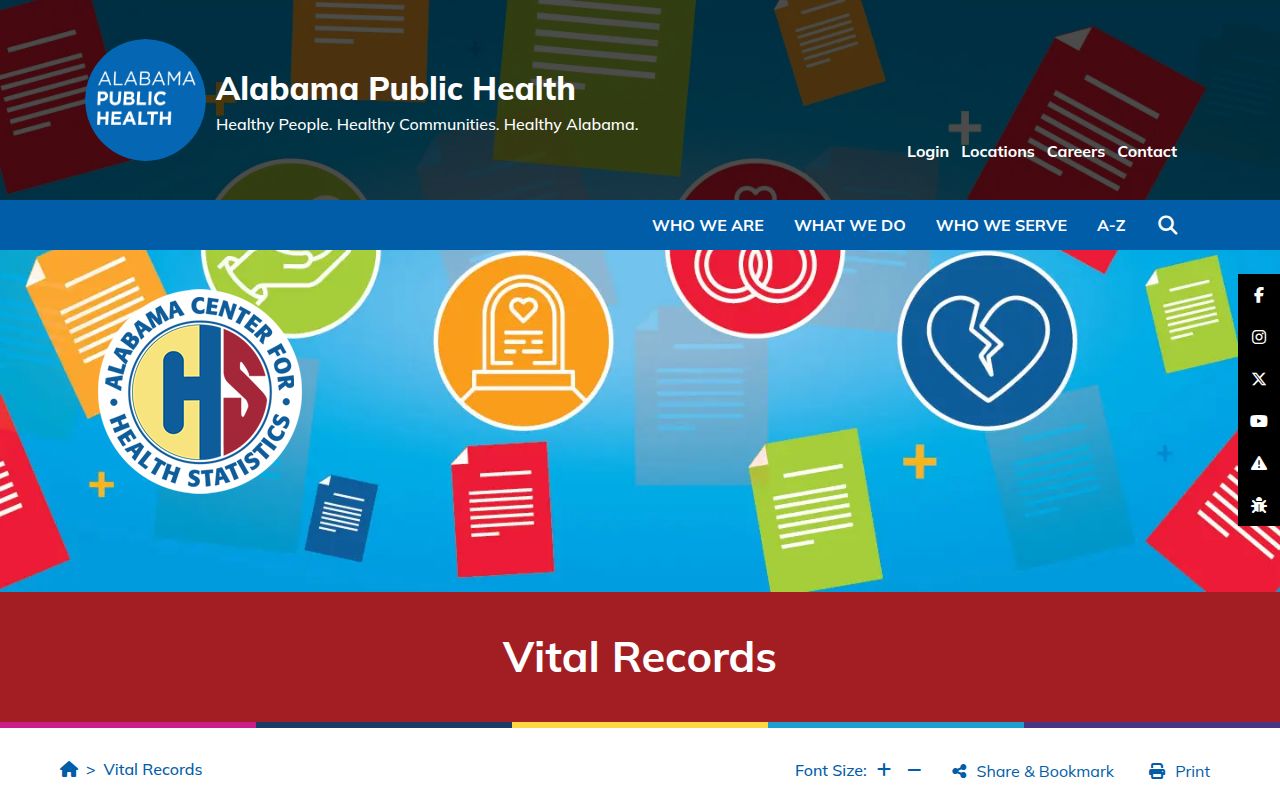
Vital Records: The Alabama Department of Public Health handles birth, death, marriage, and divorce certificates. The fee is $15 for a search plus one certified copy. Additional copies cost $6 each. Birth records less than 125 years old are restricted to family members.
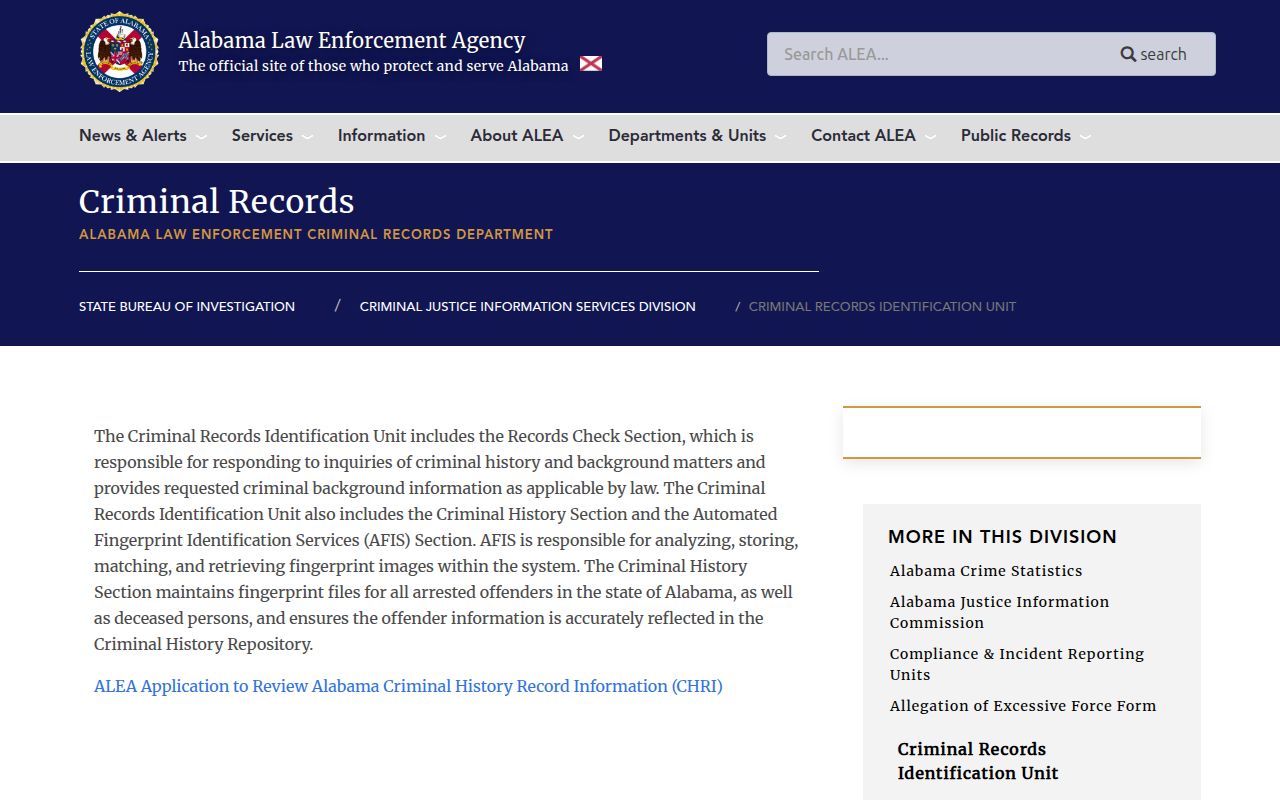
Criminal Records: The Alabama Law Enforcement Agency maintains criminal history files. Background checks cost $25 and require fingerprinting. You can request your own record or get someone else's with proper authorization.
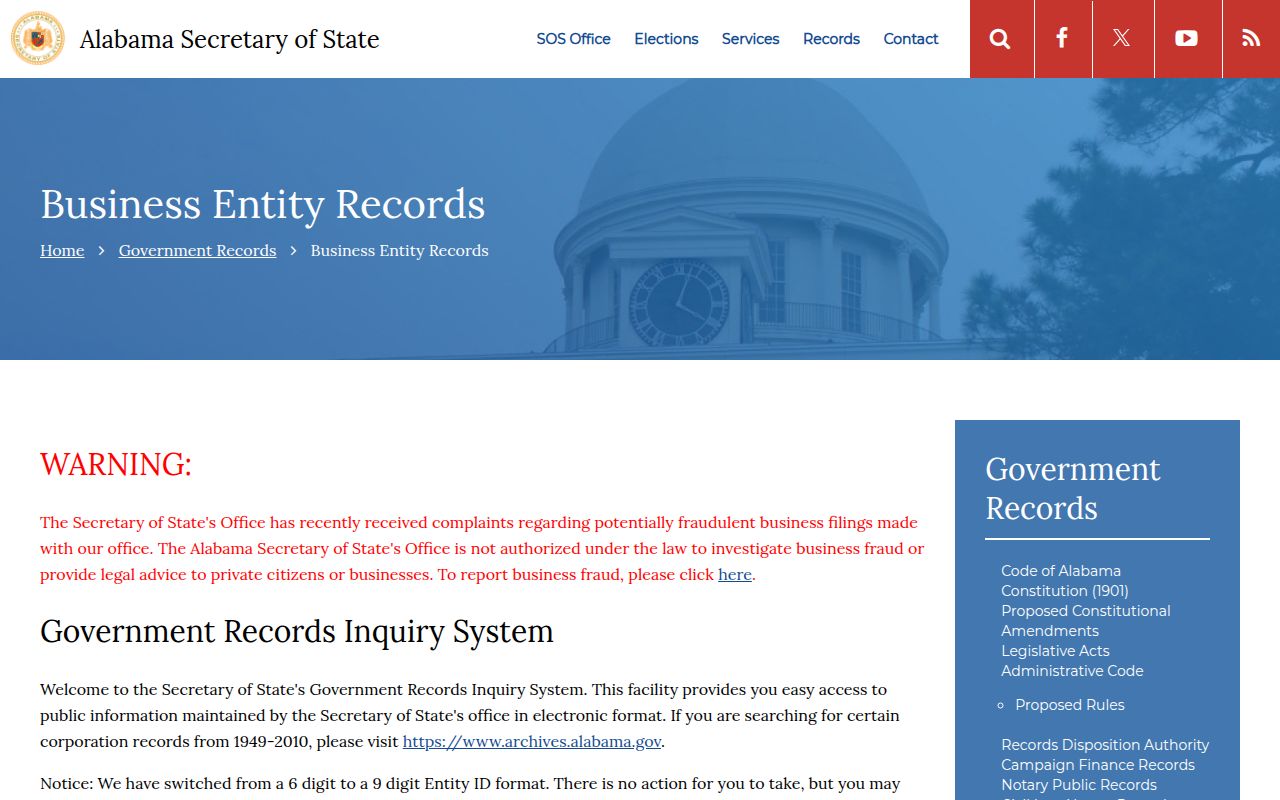
Business Records: The Secretary of State keeps business entity filings. You can search for corporations, LLCs, and partnerships online for free. UCC filings and land patents are also available through this office.
Who Can Access Alabama Public Records?
Alabama has an important rule that sets it apart. You must be an Alabama resident to access most public records. This comes from Code of Alabama § 36-12-40. Only eight states have this kind of residency rule.
A resident is someone permanently domiciled in Alabama. The 2024 amendment changed the word "citizen" to "resident" in the law. This broadened access somewhat. You may need to show proof of residency when you make a request. A driver's license or voter registration card works for this purpose.
There are exceptions. Some records are open to everyone. These include published court opinions and materials already made public. Business entity records at the Secretary of State are searchable by anyone. But for most county records, you need to prove you live in Alabama.
2024 Changes to Alabama Records Law
Act 2024-278 made big changes to Alabama's public records law. This was the most significant update in over 50 years. The new rules took effect on October 1, 2024.
For the first time, Alabama now has response deadlines. Agencies must acknowledge your request within 10 business days. They must give a substantive response within 15 business days for standard requests. Time-intensive requests that take more than 8 hours to process get 45 business days.
The law also clarified fee rules. For standard requests, fees are optional. Agencies can charge but do not have to. For time-intensive requests, fees are mandatory. This helps agencies cover the cost of complex searches. Each agency sets its own fee schedule.
Note: These deadlines apply to state and local agencies. Courts may have different rules for their records.
How to Request Alabama Public Records
The process depends on what records you need and where they are kept. Here are the main methods for getting public records in Alabama.
Online: Many records are available through online portals. Alacourt ACCESS handles court records. County probate websites offer property searches. VitalChek lets you order vital records from home. These are the fastest options in most cases.
In Person: You can visit any county courthouse during business hours. Bring a valid ID. Staff can help you search records and make copies. This method works best when you need to see the original document or get certified copies right away.
By Mail: Most offices accept mail requests. Write a letter that includes your name, contact info, and a clear description of what you want. Include payment if fees apply. Mail requests take longer but work when you cannot visit in person.
Electronic Request: Some counties use online request portals. Jefferson County has NextRequest. Huntsville uses JustFOIA. These systems let you submit requests and track their status online.
Tips for making a request in Alabama:
- Be specific about what records you want
- Include names, dates, and case numbers if you have them
- Ask about fees before the search starts
- Bring ID if you visit in person
- Allow time for the response deadline
Public Records Fees in Alabama
Fees vary by record type and location. Here are typical costs you can expect across the state.
Vital Records: $15 search fee includes one certified copy. Additional copies cost $6 each. Rush service adds $15. VitalChek charges its own service fee on top of the state fee.
Court Records: Alacourt ACCESS charges $9.99 per name search. Document images cost $5 for the first 20 pages and $0.50 per page after that. Case monitoring costs $19.99 for district cases and $29.99 for circuit cases.
Property Records: Recording fees start at $9.50 to $16 for the first page. Additional pages cost $3 each. Copy charges range from $1 to $1.50 per page. Certification adds $3 to $5 per document.
Criminal History: Background checks through ALEA cost $25. You must also pay for fingerprinting, which varies by provider.
Note: Fees change from time to time. Contact the specific office to confirm current costs before you send payment.
How County Records Offices Work
Each Alabama county has a probate court that handles property records. The probate judge is an elected official who serves a six-year term. This person oversees recording of deeds, marriages, and other legal documents.
Some counties have robust online systems. Jefferson, Mobile, Madison, and Montgomery counties offer extensive digital access. You can search indexes and view document images from home. Other counties have more limited online options.
The Ingenuity system serves many Alabama counties. This portal at ingprobate.com provides online access to probate records. Counties using this system include Autauga, Blount, Coffee, Cullman, and dozens more. You can search for free and pay per page for document images.
Some rural counties have limited online presence. These include Bullock, Choctaw, Coosa, Greene, Hale, and others. For these counties, you may need to call or visit in person. The probate office can tell you what records they have and how to get copies.
Browse Alabama Public Records by County
Each county in Alabama has its own probate court that keeps property records. Pick a county below to find local contact info and resources.
Public Records in Major Alabama Cities
City residents access most records through their county probate court or circuit clerk. Pick a city below to learn about public records access in that area.